What is Qi Men Dun Jia? A plain guide to the right time and direction
Most advice tells you what to choose. Qi Men 奇门遁甲 asks two questions people usually skip: when, and which way. Here is how it works, in plain words.
 By Sky Chin · 18 October 2026 · 16 minute read
The file holds this whole guide as plain text, without the share buttons, audio player and comments, so you can ask an AI tool about it.Try asking your AI: Here's a guide to Qi Men Dun Jia. Teach me the basics in five minutes, then quiz me with three questions.
Too busy to read? Listen on the go
25 minutes
Share just the audio: WhatsApp · · Open the listening page
The short answer
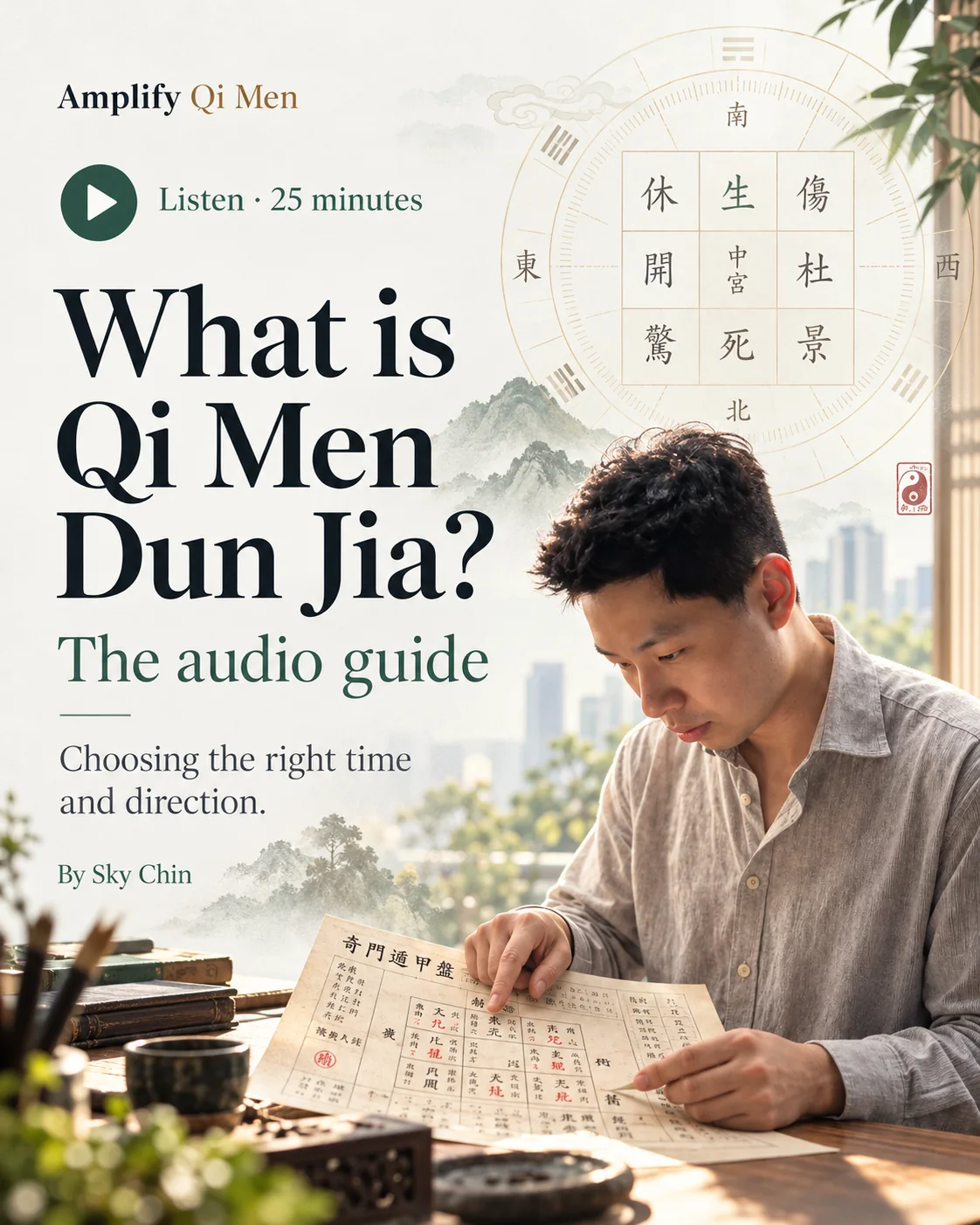
Qi Men Dun Jia is a classical Chinese method for reading time and direction together. It draws a chart for a moment in time, lays that chart over the eight directions of the compass, and shows which direction is strongest for which kind of matter.
The chart changes every two hours. So the best way to face for a phone call at 10 am is often not the best way at 3 pm. That is the whole idea in one line: the same action lands differently depending on when you take it and which way you face.
Why I came to Qi Men
I grew up with type 1 diabetes, from childhood. Life often felt overwhelming, as if I could never catch up with what I had been given.
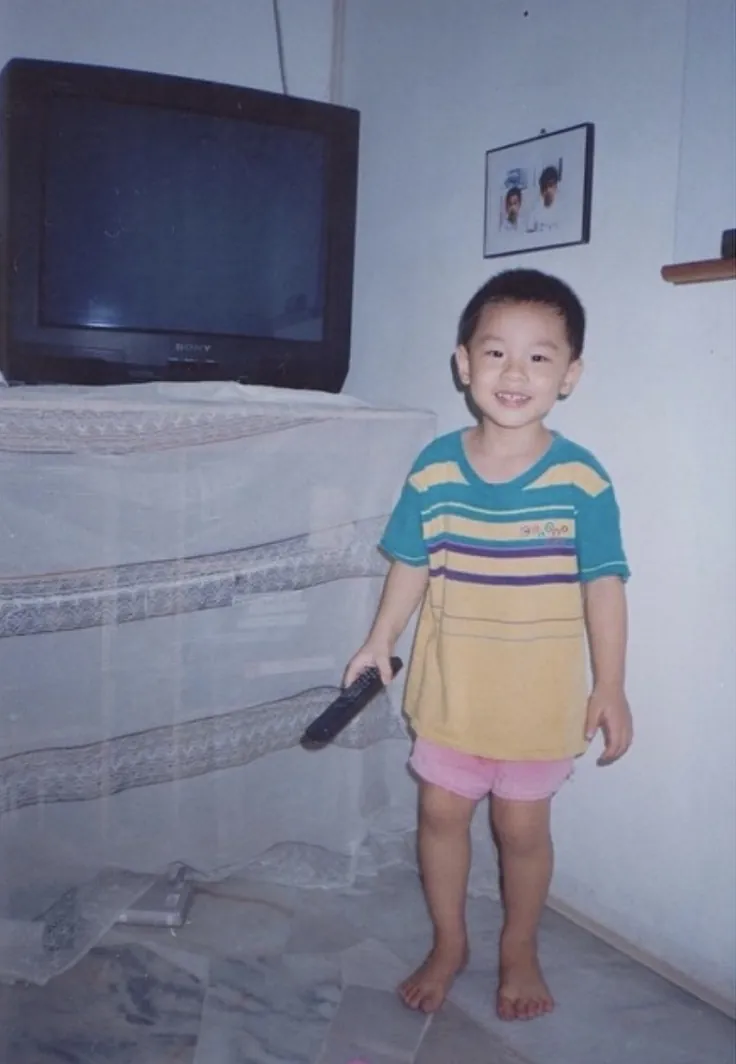

So I became a hustler. I worked very hard, and still did not get what I worked for. Before I understood the role of spirituality, I could not control my emotions well. I blew up with a former boss, lost my share, and got caught in bitter, quarrelsome situations that consumed me.
Then, on a hike, I bumped into a friend who introduced me to numerology. It caught my interest. I took classes, kept studying, and went deeper into other schools of Chinese divination. Qi Men became my favourite because it helps with the thing I needed most: making decisions at the right time, in the right direction.
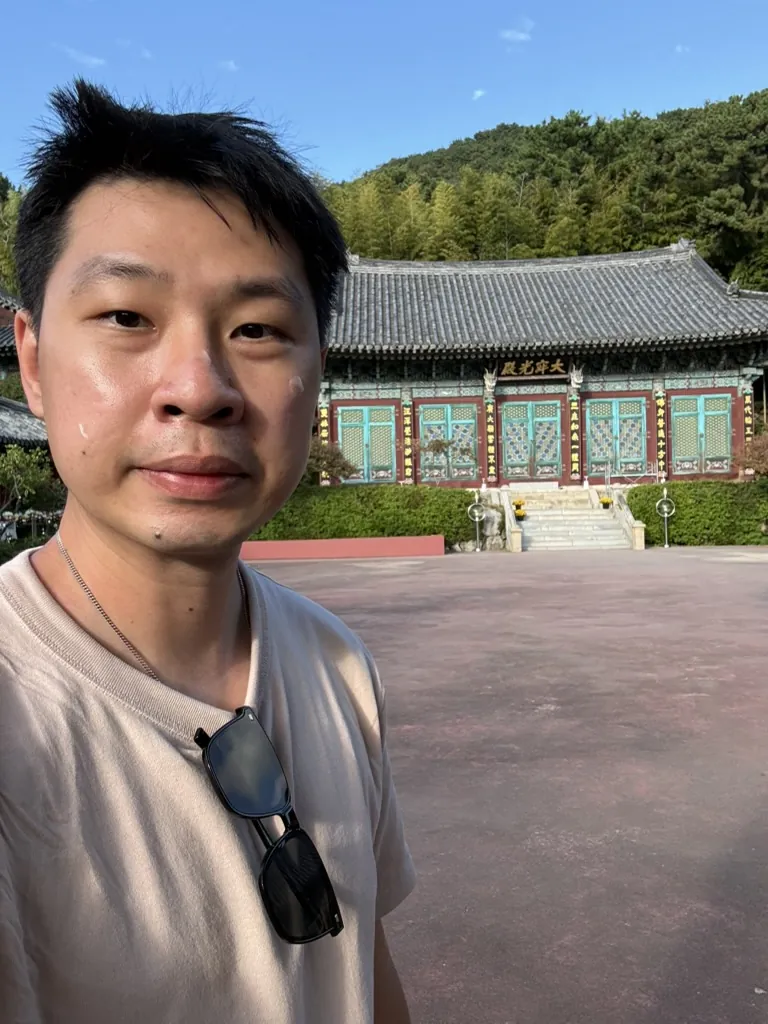
The rest is history. These are some of the results since I started using these systems in my work, and I keep reaping the benefits:
- RM50 million in annualised revenue produced for WORQ Coworking, across several outlets and market cycles.
- A lean sales team of five, delivering three to four times the revenue of comparable coworking operators.
- Trusted by some of the most demanding landlords in the market, including UOA REIT, Sunway REIT, Sentral REIT and KWAP.




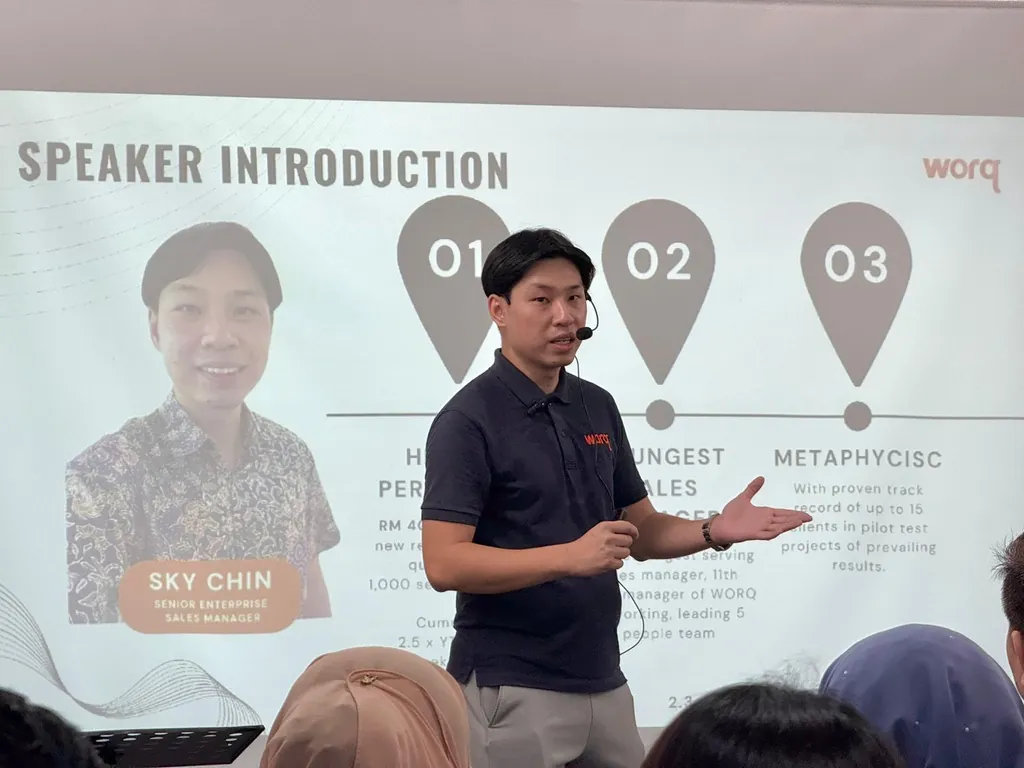

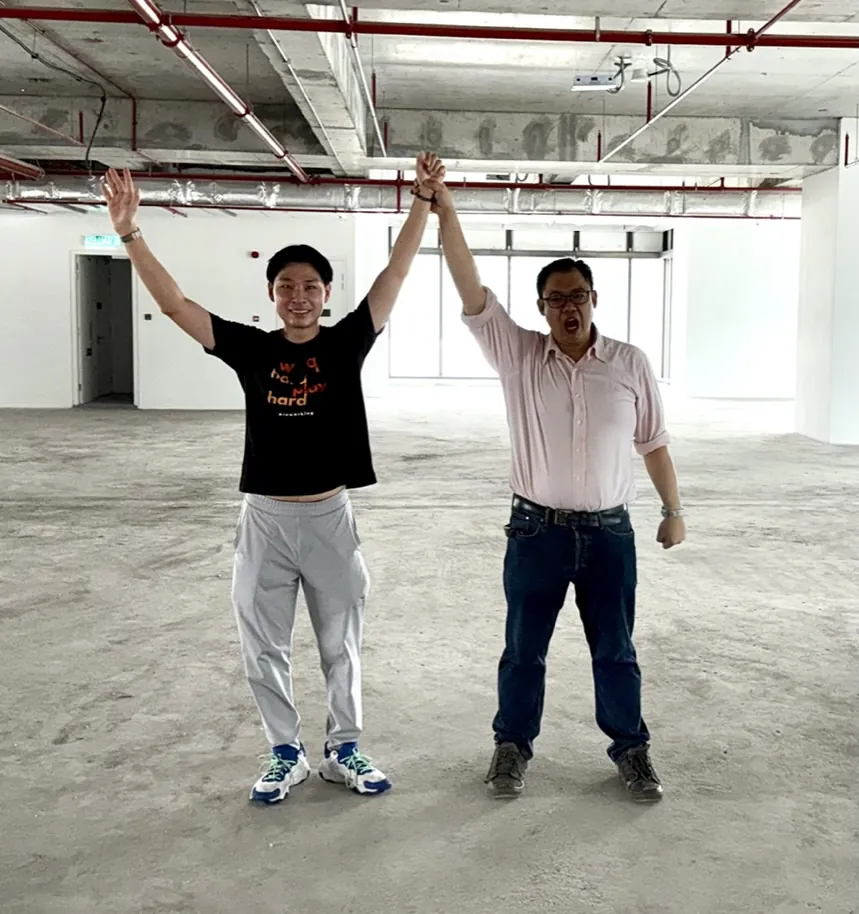
Today I use these tools as decision accelerators: to align my team, to time my moves and to plan negotiations. The rest of this guide explains how Qi Men works, so you can use it too.
Where the name comes from
The name has four characters, and each one tells you something about the chart.
- 奇 Qi, the wonders. Three heavenly stems, 乙 丙 丁, are called the three wonders. Where they land is read as a sign of luck and opportunity. They get their own section below.
- 门 Men, the gates. Eight gates move around the chart. They are the doors of human affairs: work, money, rest, conflict.
- 遁甲 Dun Jia, the hidden Jia. The leading stem 甲 never shows itself in the chart. It hides under one of the others, the way a general stays out of sight behind his army.
Qi Men is one of the three great methods of classical Chinese timing, alongside Tai Yi and Liu Ren. Old stories tie it to strategists such as Zhuge Liang, who is said to have used it to time battles. Treat those stories as legend; the method itself has been studied and refined for centuries.
The three wonders: 乙 丙 丁
To understand the wonders, start with the story behind the name. In Qi Men the stem 甲 is the leader, the one everything protects. Its natural enemy is 庚, hard Metal, because Metal cuts Wood. So 甲 hides, and three members of its family step forward to keep it safe. Each one does it in a different way, and that way is what the wonder brings to whatever box it lands in.
乙Yi, the Sun Wonder 日奇 · Yin Wood
Who it is. The leader's younger sister. She marries the enemy 庚, and the pairing 乙庚合 turns a threat into an alliance. She wins with grace, not force.
What it stands for. Diplomacy, healing and flexibility. Think of a climbing vine that finds its way round a wall, or a gentle doctor.
Your opportunity. Where 乙 lands, soft power works: negotiation, alliances, making peace, asking for help, and seeing a doctor or healer. It is a box to win people over, not to force your way through.
丙Bing, the Moon Wonder 月奇 · Yang Fire
Who it is. The leader's son, the general. Fire melts Metal, so 丙 meets 庚 head on and drives it back.
What it stands for. Power, brilliance and fast breakthroughs. It is the blaze of the open sky.
Your opportunity. Where 丙 lands you get visibility, sudden openings and quick wins. Use it for launches, grand openings and pushing through a stubborn problem. Because it is Yang Fire it can flare up, so keep your temper and your promises in check.
丁Ding, the Star Wonder 星奇 · Yin Fire
Who it is. The leader's daughter, called the Jade Maiden 玉女. Her fire is a candle or a star: small, steady and hard to put out, and it still softens 庚 over time.
What it stands for. Wisdom, inspiration and quiet guidance.
Your opportunity. Many readers count 丁 the steadiest of the three. Where it lands, look for wishes coming true, recognition, progress in study and research, and help from unexpected people, the noble people 贵人. It is a light to walk by when the way is dark.
A note on names: older texts call 乙 the Sun Wonder and 丙 the Moon Wonder, and that is the order used here. Some modern books swap them. The meanings above do not change either way.
A wonder is strongest when it sits with a lucky gate, for example 乙 or 丙 or 丁 together with the Open, Rest or Life Gate. Classical texts give these meetings their own names, and they are among the best boxes in any chart.
The chart: nine boxes and four layers
Every Qi Men chart is built on the Luo Shu 洛书, an ancient square of nine numbers. Each row, column and diagonal adds up to 15. Each number is a box, each box is a direction, and each direction carries one of the eight trigrams of the I Ching. Chinese charts put South at the top, the way the old maps did.
Inside every box, four layers are stacked one on top of the other. Reading a Qi Men chart means reading those four layers together.
1. The Earth plate 地盘: the ground
Nine stems are laid into the boxes in a fixed order: 戊 己 庚 辛 壬 癸 丁 丙 乙. Where the order starts depends on the season, and the stems stay put for the whole period. Read the Earth plate as the setting: the place, the host, what is already there.
2. The Heaven plate 天盘: the weather
The nine stars, 天蓬 天芮 天冲 天辅 天禽 天心 天柱 天任 天英, each carry a stem from the Earth plate and turn around the chart. The lead star, the Chief 值符, travels to the stem of the hour, and the others follow in order. Read the Heaven plate as what is moving right now: the climate of the moment, and often the other party.
3. The Human plate 人盘: what people can do
The eight gates turn too, led by the gate on duty 值使, which steps forward with each hour. Gates are the most practical layer, because they describe action: whether a door is open for work, money, rest or a fight. That is why the next section is all about them.
4. The Spirit plate 神盘: the unseen hand
Eight deities ride on top: 值符 the Chief, 螣蛇 the Snake, 太阴 the Moon, 六合 Harmony, 白虎 the Tiger, 玄武 the Black Tortoise, 九地 Earth and 九天 Heaven. They are the hidden help or hindrance behind a matter: protection, secrecy, partners, pressure, deception, patience and boldness.
Why the chart keeps changing
From the winter solstice to the summer solstice the chart runs forward, Yang Dun 阳遁. For the other half of the year it runs backward, Yin Dun 阴遁. Each of the 24 solar terms is split into three parts, each with its own starting number. Nine starting numbers for each half of the year, times sixty hours in the cycle, gives 1,080 charts in all, and the one in force right now lasts for a single two hour window.
You do not need to work any of this out by hand. The free tool builds the chart for this hour, then reads all four layers for you.
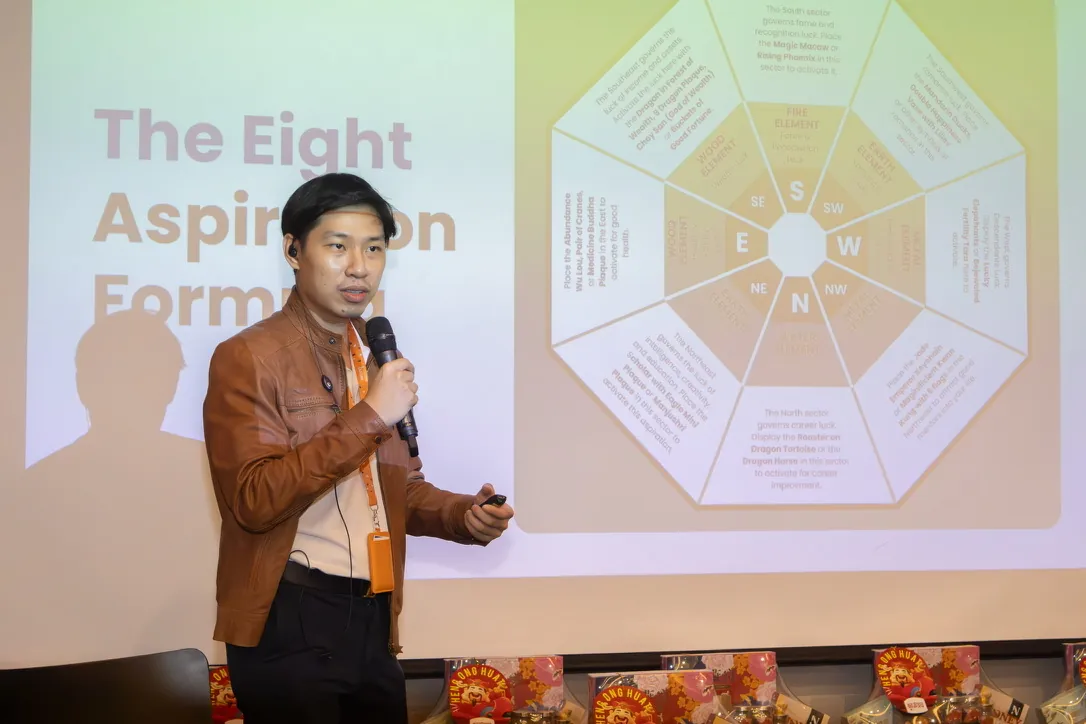
The eight gates in plain words
If you learn one thing, learn the gates. They are the quickest way to read a chart.
| Gate | Reads as | Good for |
|---|---|---|
| 开门 Open | Lucky | Starting things, careers, interviews, going public |
| 生门 Life | Lucky | Money, business, property, anything meant to grow |
| 休门 Rest | Lucky | Meeting mentors, making peace, recovery |
| 景门 Scenery | Mixed | Presentations, documents, exams, publicity |
| 杜门 Delusion | Mixed | Privacy, quiet focused work, keeping a low profile |
| 伤门 Harm | Hard | Competition, collecting debts; not for deals |
| 惊门 Fear | Hard | Debate and legal pressure; expect nerves |
| 死门 Death | Hard | Endings and closing matters; not for new starts |
How a chart becomes a decision
Each kind of matter has its own sign in the chart, called the useful god 用神. Career is read from the Open Gate. Money is read from the Life Gate. Love and partnerships are read from the Harmony deity 六合. You find where that sign sits this hour, judge how strong its box is, and that box gives you a direction.
Then you add the person. Your birth year places you in one box of the chart too, and some directions clash with your sign. A good reading weighs the matter and the person together, and keeps you out of your clash direction.
An example, step by step
Say you have a salary talk with your manager tomorrow and you can choose the slot.
- Name the matter. A pay rise. In Qi Men it reads from the stem 戊 for the money and the Chief deity 值符 for the boss who decides.
- Find the strong windows. Look across tomorrow's two hour windows for the ones where both signs sit in strong boxes.
- Check yourself. Skip any window that is your clash hour, or where your own box is weak.
- Act inside it. Book the talk in that window and, where you can, sit facing the direction the reading gives.
That is the whole method. The free tool does steps two and three for you in a few seconds.
Being in the know creates conviction
Most decisions do not fail because the idea was wrong. They fail because we go in half sure. We hedge, we wait, we soften the ask, and the other side can feel it.
Knowing your window and your direction changes that. When you know this is the hour and this is the way to face, the doubt goes quiet. You stop arguing with yourself and put your full weight behind the step. That steadiness is conviction, and people respond to it: a client hears it in your voice, a team sees it in how you lead, a negotiation turns on it.
Being in the know creates conviction, and conviction is what turns a good plan into a result.
It works the other way too. When the chart says wait, you can wait without worrying that you are being lazy or afraid. You know why you are holding back, and you know when your next good window comes. Patience with a reason is still conviction.
This is how I use it with my own team. A reading does not replace the work. It gives everyone the same clear picture of when and which way, so we move together and we move with confidence.
When we speak, we create: manifesting with Qi Men
Abracadabra is often said to come from an old Aramaic phrase meaning I create as I speak. Whatever its true roots, the idea is a good one. Words spoken with conviction shape what we notice, what we do next, and how others meet us.
Qi Men adds the two things most manifesting leaves out: the right time and the right direction. You say your words in the hour that supports the matter, facing the way the chart opens for it, so intention, timing and direction all point the same way.
How to manifest with the free tool
- Check the hour. On the Now screen, the Manifest card shows whether this hour is strong for work, money, love or health.
- Face the direction. Turn to the direction it gives, for example South East.
- Breathe. Three slow breaths with the circle on the card, to settle your mind.
- Speak it aloud. Say the phrase slowly, in your own voice, as if it is already done: "My work carries me forward. The right door opens, and I walk through it with confidence."
- Close it. Say "Thank you, it is done," and tap I said it, so it goes into your journal. Later you can mark what came true.
If the hour is weak, the tool tells you to save your words for a stronger one, and you can add that hour to your calendar with a reminder.
This is not magic, and it does not replace the work. It is a way to set your aim clearly, at a good moment, and then act on it with conviction. When we speak, we create.
What Qi Men can and cannot do
Qi Men is a lens for timing and strategy. It can tell you which windows and directions lean in your favour, and which ones to avoid. It cannot do the work for you, and it is not a promise of any result. A well timed pitch still needs a good pitch.
Used well, it does something simple and useful: it slows you down before a big step, makes you name what you want, and gives you a clear time and direction to act. Many people find that alone makes them calmer and more decisive.
Try it on your own decision
Amplify Qi Men reads the chart for this hour, places you in it from your birth year, and tells you which way to go. It is free, with no account and no ads.
Open the free decision engineOr start with a topic: MoneyLoveSigning a contract
Questions people ask
Is Qi Men Dun Jia the same as feng shui?
No. Feng shui reads a space: a home, an office, a plot of land. Qi Men reads space and time together, so the best direction changes every two hours. The two work well side by side.
Do I need my birth time?
No. Your birth year is enough to place you in the chart. A birth time sharpens the personal reading, and you can add it later.
Can it tell the future?
It is better used as a timing and strategy lens than as fortune telling. It shows when and which way the odds lean. You still do the work.
Sky Chin
Sky is a flex workplace leader on a mission to reimagine coworking. He blends workplace strategy, Face Science and Chinese Metaphysics into his leadership and deal making, using them as decision accelerators for team alignment, timing and negotiation.
He has produced RM50 million in annualised revenue for WORQ Coworking. He built Amplify Qi Men so anyone can check their timing for free.
His work rests on one belief: when people, space and timing align, results compound.
A traditional reading for reflection and planning. Not a promise of any result, and not financial, legal or medical advice.
Comments 留言
Tried a time or a direction from this guide? Tell others how it went. Comments are public, so please never post a birth date, and please be kind.